A home water heater is one of the most essential appliances in any household, quietly providing hot water for showers, washing dishes, laundry, and other daily activities. Despite its seemingly simple function, a failing water heater can disrupt daily life, cause expensive damage, and even pose safety risks. Understanding the signs of water heater failure is not only crucial for maintaining household comfort but also for preventing costly repairs or potential water damage. Recognizing early warning signs allows homeowners to take proactive measures, ensuring the appliance continues to operate efficiently and safely. In a time when energy efficiency and home maintenance are prioritized, staying informed about your water heater’s health is more important than ever. With proper awareness, homeowners can also extend the lifespan of their unit, avoid sudden emergencies, and optimize energy consumption to reduce monthly utility costs.
Water heaters, whether traditional tank models or modern tankless systems, have a finite lifespan. Over time, normal wear and tear, sediment buildup, and mechanical issues can compromise their performance. Many homeowners overlook subtle warning signs, assuming minor issues are temporary, which can lead to more severe problems. From unusual noises and inconsistent water temperatures to visible leaks and corrosion, identifying these indicators early can save significant time, money, and stress. This comprehensive guide will explore the most common signs of water heater failure, provide practical advice for diagnosis, and offer expert insights on when it’s time to consider repair or replacement. By understanding these signs and taking timely action, homeowners can maintain a safe, reliable hot water supply while avoiding the inconvenience of unexpected breakdowns.
1. Understanding Water Heater Lifespan and Common Failures
Expected Lifespan of Water Heaters
Water heaters, like any home appliance, have a limited operational life. Standard tank water heaters typically last 8–12 years, while tankless models can last 15–20 years with proper maintenance. Understanding this timeline helps homeowners anticipate potential issues before they escalate. Factors such as water quality, usage frequency, maintenance routines, and installation quality can all affect longevity.
Common Causes of Water Heater Failure
Several common issues contribute to water heater failure:
- Sediment Buildup: Over time, minerals in water settle at the bottom of the tank, reducing efficiency and causing overheating.
- Corrosion: The tank’s interior can corrode, leading to leaks and eventual rupture.
- Faulty Heating Elements or Thermostats: In electric water heaters, these components can fail, causing inconsistent heating.
- Leaks: Water escaping from fittings, the tank, or valves often signals structural failure.
Understanding these causes allows homeowners to identify problems early and take preventive steps, reducing the likelihood of sudden, expensive breakdowns.
2. Signs of a Failing Water Heater
Inconsistent Water Temperature
One of the first signs of trouble is inconsistent water temperature. If your showers suddenly alternate between scalding hot and icy cold or the water doesn’t stay consistently warm, it could indicate a malfunctioning thermostat, sediment accumulation, or failing heating elements.
Strange Noises
Unusual sounds coming from the tank are another warning sign. Popping, rumbling, or hissing noises often occur due to sediment build-up at the bottom of the tank. As the heating element warms water over mineral deposits, pressure causes noise and can eventually damage the tank’s interior.
Visible Leaks or Corrosion
Leaks near the base of the water heater or rust spots on the tank indicate significant issues. Even small leaks should not be ignored, as they can escalate quickly, causing water damage and reduced efficiency. Corrosion may also weaken the tank walls, increasing the risk of a catastrophic rupture.
Discolored Water
Rust-colored water from taps is often a sign of internal corrosion. While this can also affect water quality, it is primarily a signal that the tank’s metal lining is deteriorating. Persistent discoloration should prompt inspection or replacement.
Reduced Hot Water Supply
If hot water runs out faster than usual, sediment buildup or a failing heating element could be limiting your water heater’s capacity. Decreased water output is especially noticeable in households with high demand.
3. Diagnosing Problems Effectively
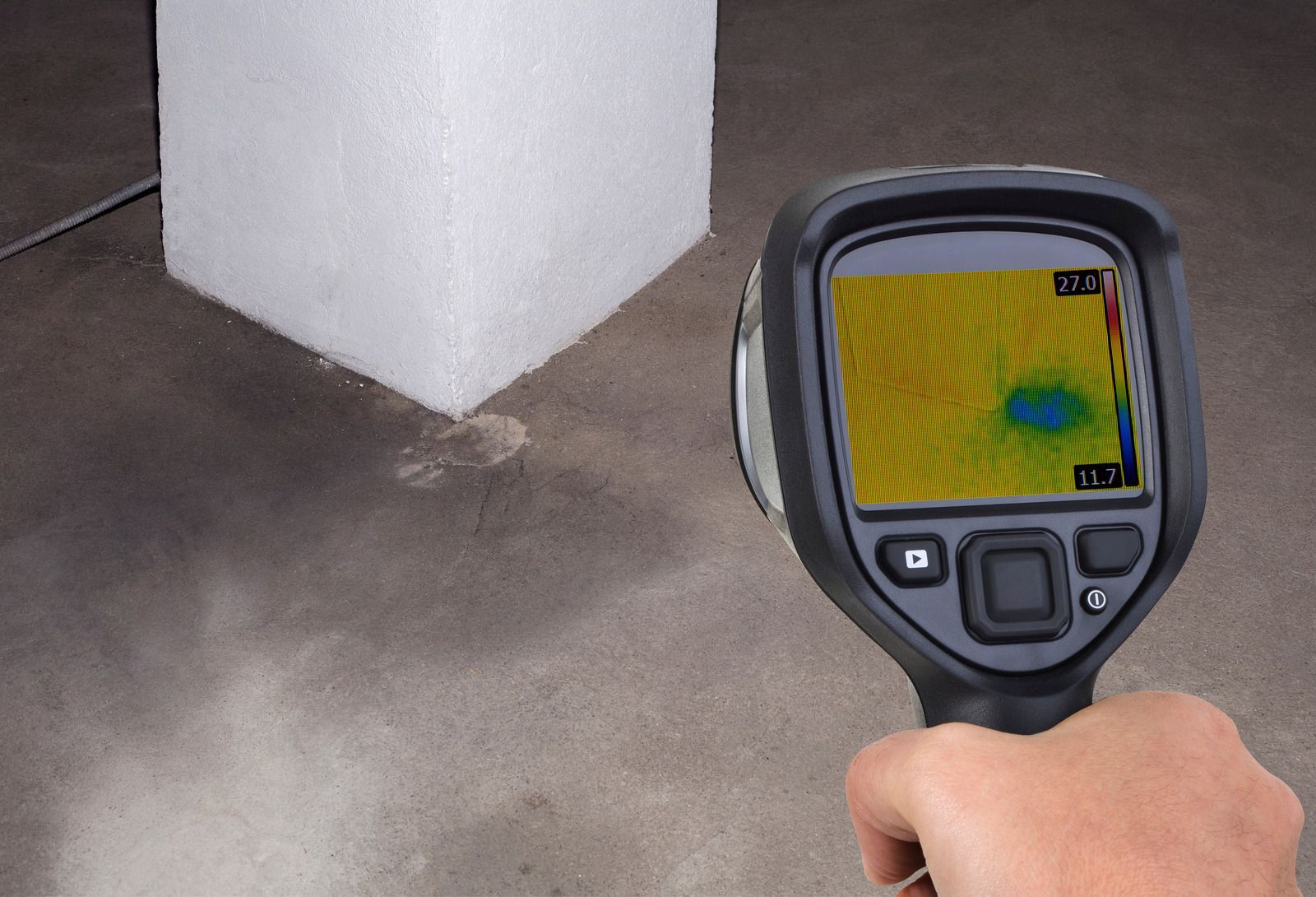
Visual Inspection and Maintenance Checks
Testing Water Temperature and Pressure
Use a thermometer to test water temperature at various taps. Consistent deviations from the set temperature may indicate thermostat or element failure. Also, monitor water pressure; fluctuating pressure can signify sediment blockage or plumbing issues linked to the water heater.
Recognizing Energy Inefficiency
A sudden spike in energy bills can indicate a water heater working harder to compensate for reduced efficiency. Sediment buildup, leaking components, and malfunctioning heating elements force the system to consume more energy, which ultimately drives up costs.
Professional Assessment
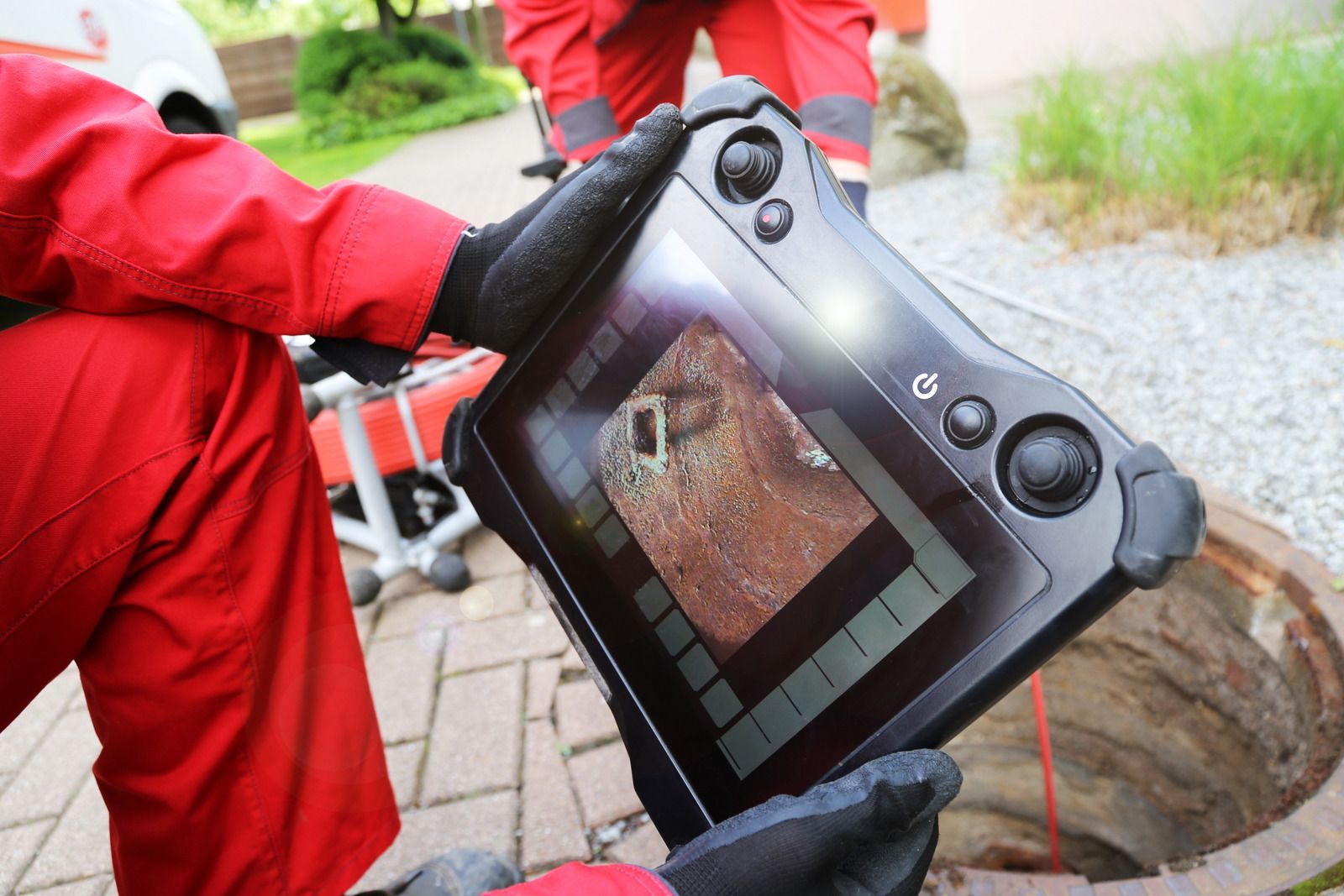
While homeowners can detect basic issues, a licensed plumber can perform more in-depth diagnostics, including testing heating elements, inspecting internal components, and evaluating overall system health. Professional assessment ensures accurate diagnosis and safe, timely repairs.
4. Preventive Maintenance Practices
Flushing the Tank Regularly
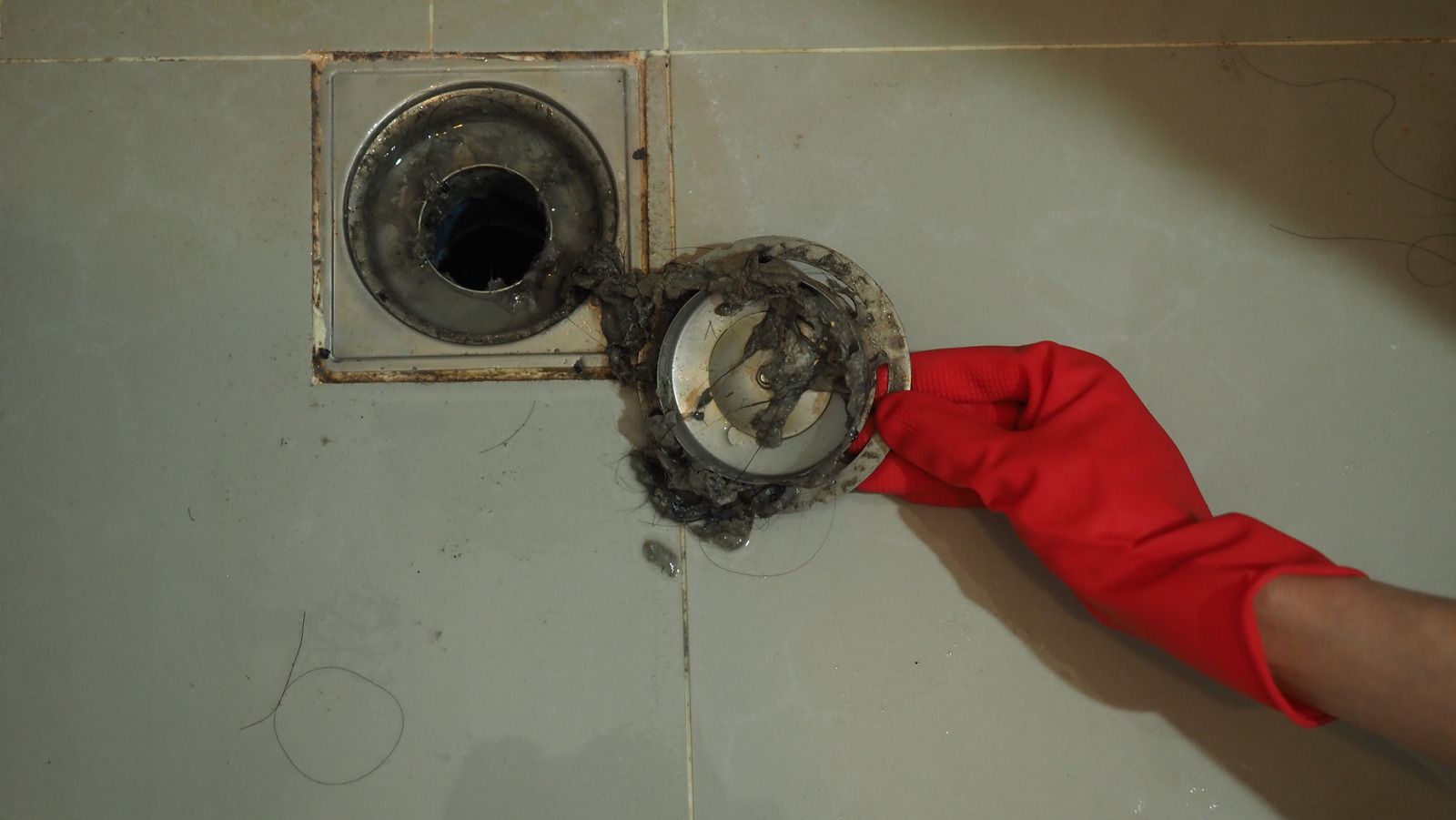
Sediment accumulation is a leading cause of water heater failure. Flushing the tank at least once a year helps remove mineral deposits, preserving efficiency and extending the tank’s lifespan. This simple maintenance task can prevent overheating, reduce strange noises, and maintain consistent water temperature.
Inspecting Anode Rods
Anode rods attract corrosive elements, preventing tank corrosion. Regular inspection every 2–3 years ensures the rod remains effective. Replacing a depleted anode rod can significantly prolong the water heater’s life.
Checking the Pressure Relief Valve
The pressure relief valve is a critical safety feature that prevents the tank from over-pressurizing. Test it annually by lifting the lever to ensure water flows freely. A malfunctioning valve can pose safety risks and may signal underlying tank issues.
Scheduling Professional Maintenance
Periodic professional maintenance can identify minor issues before they escalate into major problems. A licensed plumber can inspect electrical or gas connections, heating elements, and the tank’s structural integrity, ensuring optimal performance and safety.
5. Repair vs. Replacement Considerations
When to Repair
Small issues, such as a malfunctioning thermostat, leaking valve, or heating element failure, can often be repaired cost-effectively. Repairing a water heater makes sense when the appliance is relatively new and free from significant corrosion or leaks.
When to Replace
Replacement is recommended if the tank is over 10–12 years old, shows significant corrosion, leaks extensively, or repeatedly requires repairs. Tankless systems also have finite lifespans; even if functional, efficiency decreases with age. Investing in a new, energy-efficient water heater often provides long-term savings and reliability.
Selecting a New Water Heater
When replacing a water heater, consider factors such as tank size, energy efficiency, fuel type, and installation requirements. Modern tankless water heaters offer on-demand hot water and increased energy efficiency, while traditional tank models provide lower upfront costs and simpler installation.
6. Real-World Scenarios and Expert Insights
Case Study: Sediment-Induced Noise
A Phoenix homeowner noticed loud popping noises from their water heater. Inspection revealed significant sediment buildup at the tank’s bottom. Flushing the tank restored normal operation and prevented a potential tank rupture, highlighting the importance of routine maintenance.
Expert Recommendation: Early Leak Detection
Licensed plumbers advise homeowners to monitor water heaters for small leaks or moisture around connections. Even minor leaks can worsen quickly, causing water damage and structural issues. Installing a leak detection sensor provides early warning, preventing costly damage.
Energy Efficiency Considerations
Older water heaters can consume excessive energy, especially if heating elements or the thermostat are malfunctioning. Experts recommend regular maintenance, temperature adjustments, and replacing outdated units with Energy Star-certified models to reduce energy bills and environmental impact.
Safety Best Practices
Water heaters involve high temperatures and pressurized systems. Homeowners should never attempt major repairs themselves. Always hire a licensed professional for electrical, gas, or internal component repairs. Safety precautions, such as turning off power or gas supply before maintenance, are essential.
Trusted Water Heater Experts Ensuring Reliable Home Comfort
Understanding when your home water heater is failing is crucial for maintaining comfort, safety, and efficiency. Key warning signs include inconsistent water temperatures, unusual noises, leaks, discolored water, and reduced hot water supply. Regular maintenance, including flushing the tank, inspecting anode rods, and testing the pressure relief valve, can prevent many common issues and extend the appliance’s lifespan. Homeowners should also weigh repair versus replacement decisions carefully, considering age, damage, and efficiency. Consulting a licensed professional ensures accurate diagnosis, safe repair, and expert guidance on the best solutions for your household.
Platinum Plumbers, based in Phoenix, Arizona, brings over 23
years of experience in
professional plumbing services, including
water heater maintenance, repair, and replacement. Our team of licensed experts specializes in identifying water heater issues early, providing timely and cost-effective solutions, and ensuring long-term reliability for your home. We prioritize safety, efficiency, and customer satisfaction, delivering practical guidance and expert service for every water heater challenge. Whether it’s a minor repair, routine maintenance, or full replacement, Platinum Plumbers
is committed to ensuring your water heater functions at peak performance, giving you peace of mind and uninterrupted access to hot water for years to come. Trust Platinum Plumbers
for all your plumbing needs and experience professional, dependable service backed by decades of expertise.