Maintaining a functional plumbing system is essential for any household. Plumbing issues are not only inconvenient but can also escalate into costly repairs if left unattended. From small leaks to major pipe bursts, problems within the plumbing infrastructure can affect water quality, energy efficiency, and the overall comfort of a home. Recognizing early signs of common plumbing issues is a proactive approach that saves both time and money. Homeowners who remain vigilant can prevent minor issues from developing into emergencies, reducing the risk of water damage, mold growth, and structural complications.
Understanding plumbing problems goes beyond simple fixes like unclogging drains or tightening faucets. It involves identifying underlying causes, implementing preventive measures, and knowing when professional intervention is necessary. Many homeowners unknowingly ignore warning signs, such as slow drainage or fluctuating water pressure, which often indicate deeper issues within pipes or fixtures. This guide highlights five of the most common plumbing problems encountered in residential settings, offering insights into prevention, maintenance, and effective solutions. By becoming familiar with these issues, homeowners can maintain a reliable, efficient, and safe plumbing system while avoiding unnecessary stress and financial burden.
1. Leaking Pipes and Fixtures
Signs of Leaks
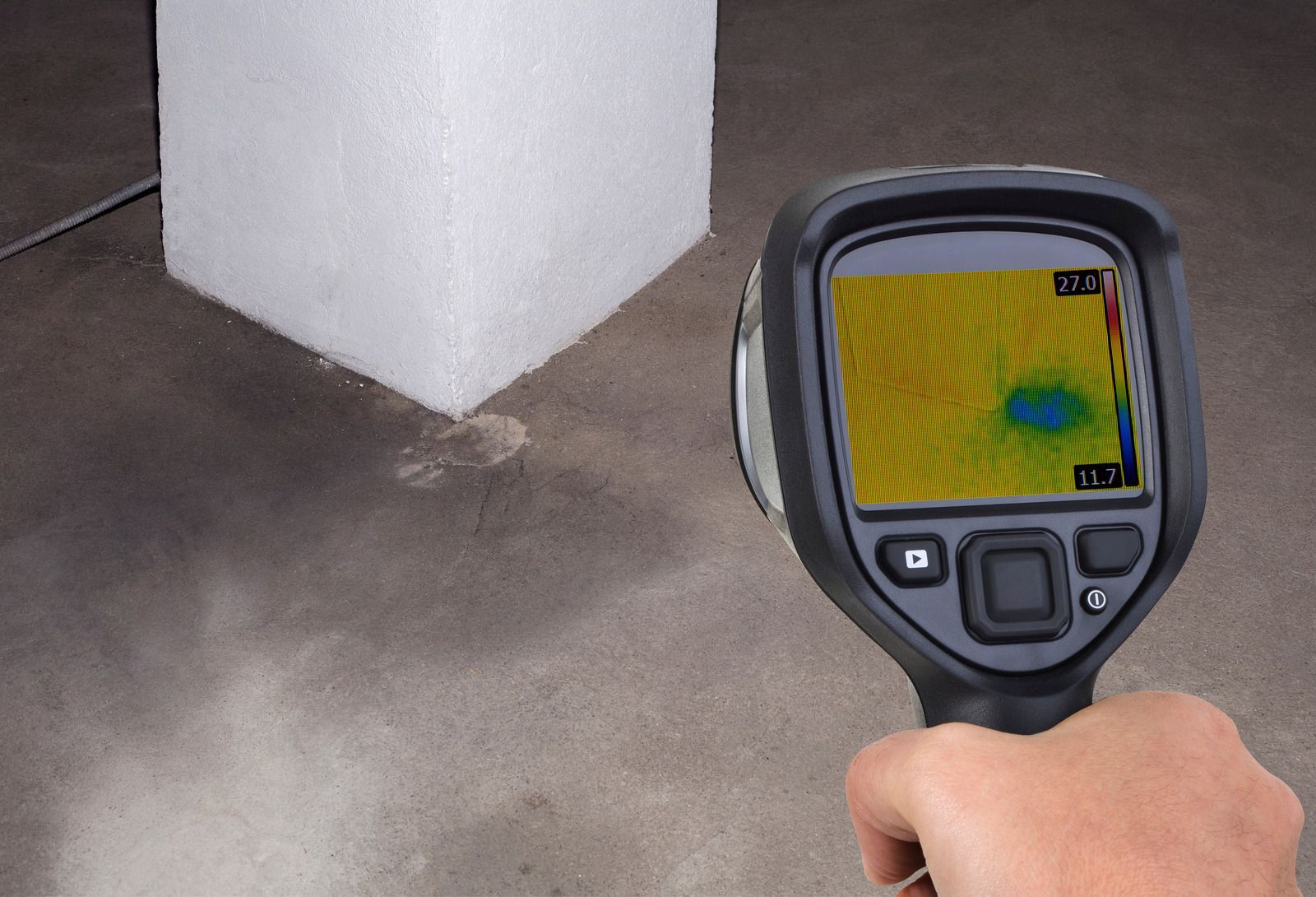
Leaking pipes are a common plumbing problem. Indicators include damp spots on walls or ceilings, puddles under sinks, rising water bills, or constant dripping. Even minor leaks can weaken structural integrity, promote mold and mildew growth, and damage floors or cabinets, making early detection and repair critical for maintaining a safe, healthy home environment.
Causes of Leaks
Leaks arise from aging pipes, corrosion, high water pressure, or worn fittings. Copper, PVC, and galvanized pipes each have unique vulnerabilities. Galvanized pipes corrode internally, restricting water flow, while PVC may crack under extreme temperatures or physical stress. Understanding these causes allows homeowners to address weaknesses before small leaks develop into major problems.
Prevention and Maintenance
Inspect plumbing regularly to prevent leaks. Examine visible pipes for corrosion, check under sinks and around toilets, and monitor water meters for unusual readings. Installing water pressure regulators and insulating pipes in freezing-prone areas reduces risk. Routine inspections and preventive measures not only save money but also preserve the home’s structure, preventing costly water damage or mold growth.
2. Clogged Drains and Sewer Backups
Common Drain Blockages
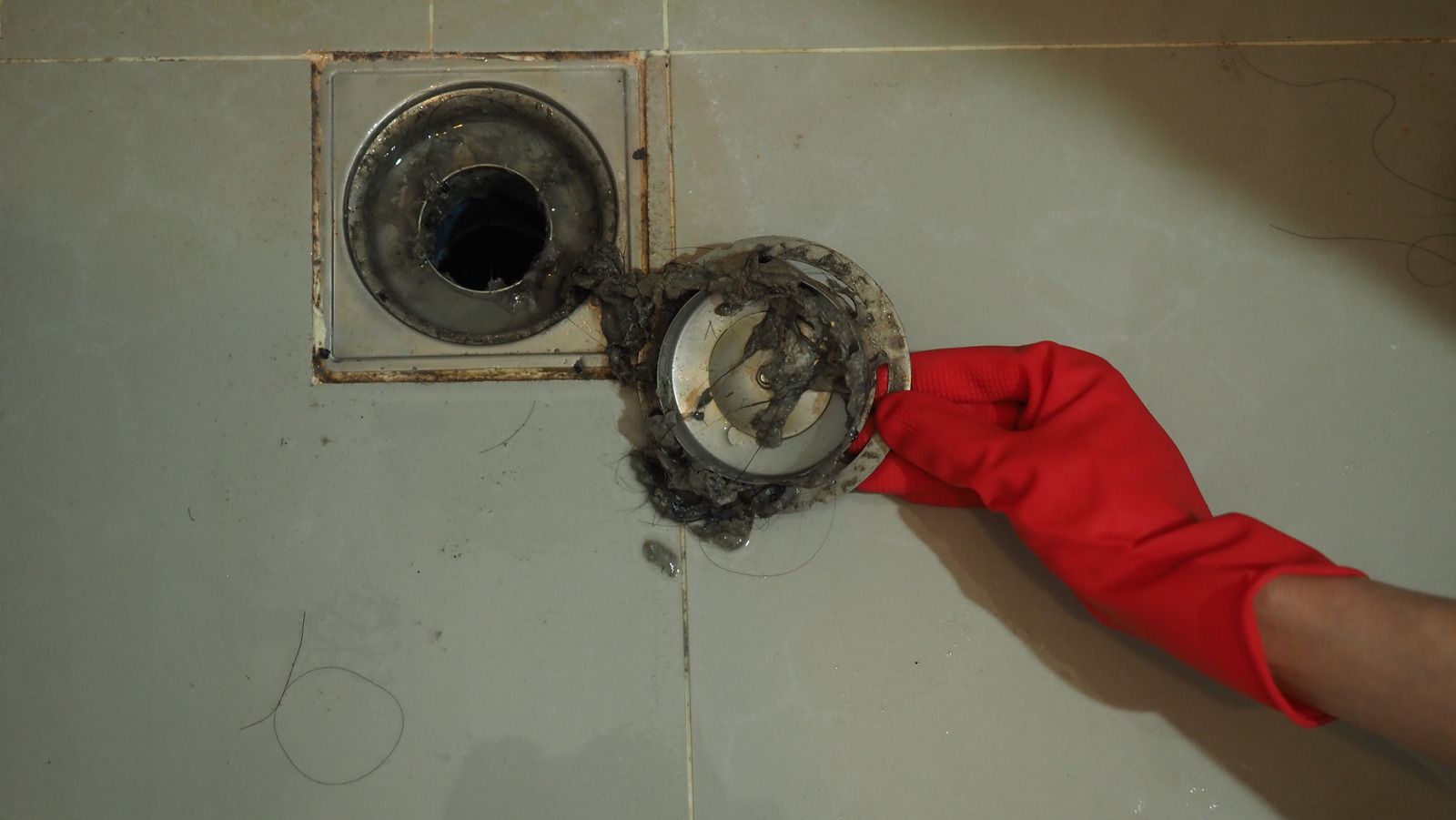
Clogged drains frequently occur in homes. Kitchen sinks often block from grease, food, and soap residue, while bathroom drains accumulate hair, soap scum, and mineral deposits. Sewer backups are more serious, arising when the main line is obstructed. Wastewater may flow back into the home, creating unsanitary conditions that require immediate professional attention to prevent health hazards.
Symptoms and Risks
Slow drainage, foul odors, gurgling sounds, and pooling water indicate blockages. Sewer backups are more severe, with multiple clogged drains, sewage odors, or unexpected basement wet spots. Exposure to bacteria and pathogens becomes a health risk. Ignoring these signs can escalate damage, resulting in costly repairs, structural damage, and unhygienic living conditions requiring urgent professional intervention.
Effective Solutions
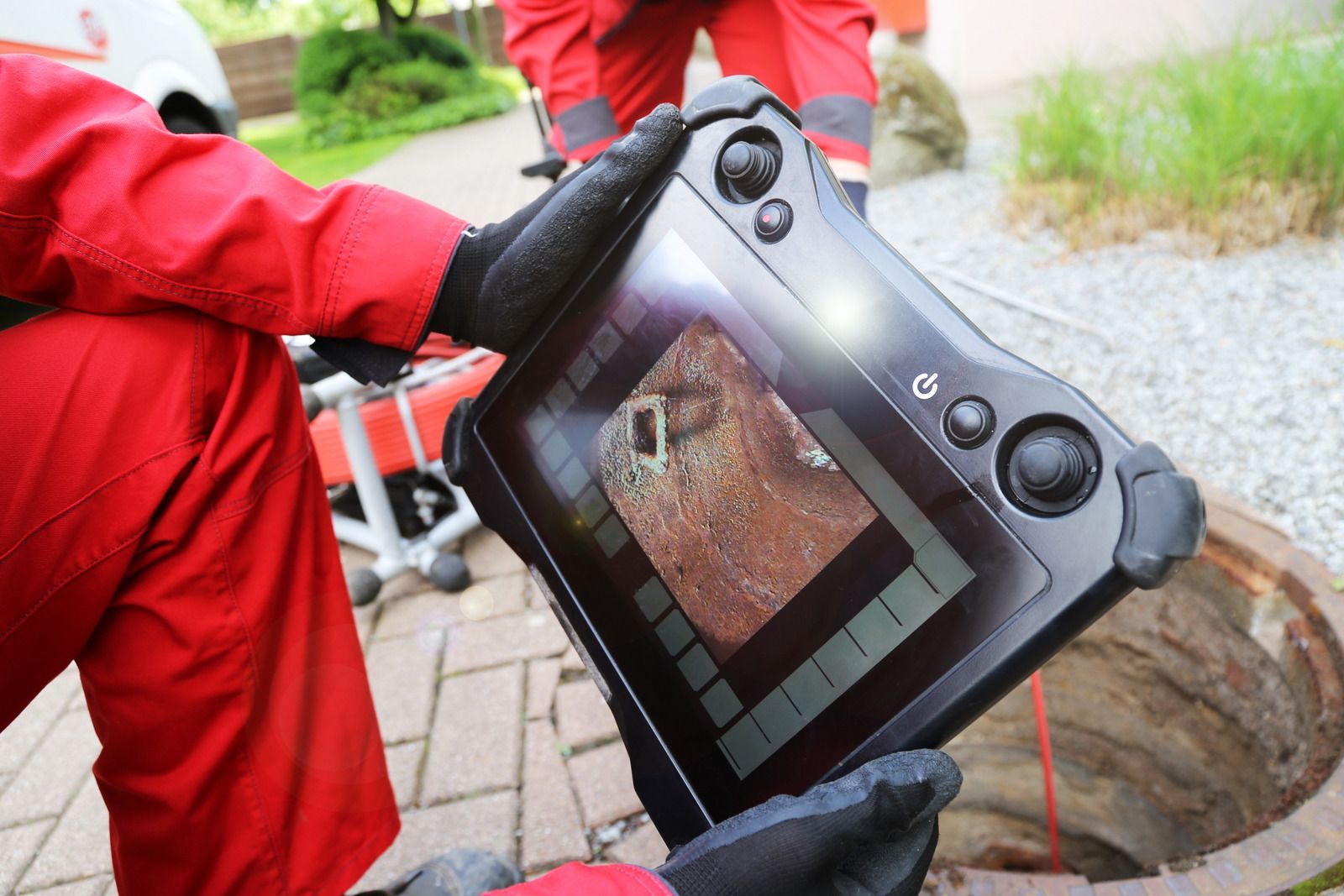
Prevent clogs by using drain strainers, avoiding grease or fibrous waste, and performing regular maintenance. Enzymatic cleaners or hydro-jetting tackle stubborn blockages. Periodic video inspections of sewer lines detect tree roots, pipe collapse, or mineral buildup. Early detection prevents significant problems, saves repair costs, and maintains proper drainage while protecting health and household functionality efficiently.
3. Water Heater Malfunctions
Warning Signs
Indications of water heater problems include insufficient hot water, discolored water, or popping and rumbling noises. Ignoring these warning signs risks higher energy costs, sudden tank failure, and flooding. Monitoring water heaters and responding promptly ensures safety, efficiency, and household comfort. Early intervention prevents emergency repairs and protects the surrounding home from potential water damage.
Maintenance Best Practices
Flush tanks routinely to remove sediment, inspect anode rods for corrosion, and test pressure relief valves. Tankless systems require descaling to prevent mineral buildup. Installing water softeners in hard water areas extends lifespan and improves efficiency. Regular preventive maintenance avoids costly repairs, ensures reliable hot water, and maximizes energy savings while preserving the integrity of the plumbing system.
Scenario Insight
A household experienced temperature drops and rumbling noises from the water heater. Inspection revealed heavy sediment buildup. Flushing and maintenance restored proper operation, avoiding premature replacement. This scenario highlights the importance of routine care, early detection, and proper service to maintain efficiency, prevent damage, and extend water heater lifespan for dependable household performance.
4. Low Water Pressure
Understanding Causes
Low water pressure is often overlooked. Causes include pipe corrosion, leaks, sediment buildup, partially closed valves, or municipal supply problems. Reduced pressure affects showers, cooking, and cleaning. Identifying the root cause is essential for solutions. Understanding whether the issue is localized or systemic guides homeowners in taking appropriate corrective action to restore normal water flow.
Identifying the Issue
Gradual pressure loss typically signals corrosion or sediment, while sudden drops may indicate leaks or supply interruptions. Testing with a gauge provides accuracy, and inspecting faucets or showerheads can pinpoint local issues. Accurate diagnosis ensures proper solutions, avoids unnecessary replacements, and prevents continued inconvenience or damage caused by unresolved water pressure problems in homes.
Solutions and Improvements
Fix low pressure by installing regulators, replacing corroded pipes, or cleaning and upgrading fixtures. Widespread issues require professional evaluation of the main supply line to identify hidden blockages or leaks. Timely intervention restores proper water flow, enhances comfort, and maintains efficiency, preventing further deterioration or additional plumbing problems throughout the household.
Real-Life Example
A home experienced low water pressure throughout. Initially blamed on municipal supply, inspection revealed partial blockage in galvanized pipes. Pipe replacement and fixture cleaning restored normal flow. This example demonstrates the importance of professional evaluation to detect hidden blockages, repair corrosion, and maintain water pressure, ensuring daily activities and household functionality remain uninterrupted.
5. Toilet Problems and Backups
Common Toilet Issues
Toilets are prone to clogs, running water, or weak flushing. Common causes include worn flappers, faulty fill valves, and blocked sewer lines. Persistent issues increase water waste, utility bills, and sanitation concerns. Addressing problems quickly prevents escalation, ensures reliable operation, and reduces potential damage to plumbing systems or home infrastructure from prolonged malfunctions.
Identifying Signs
Symptoms include running water, slow refilling, incomplete flushes, and strange noises. Frequent clogs may indicate deeper sewer line problems or misaligned pipes. Early detection ensures timely repairs, preventing extensive plumbing damage, water waste, and higher costs, while maintaining household hygiene, fixture reliability, and overall system efficiency in daily use.
Maintenance and Prevention
Regularly inspect toilet components, use only appropriate flushable items, and schedule occasional professional servicing. Installing high-efficiency toilets improves flushing performance while conserving water. Proper care and preventive maintenance enhance durability, reduce repairs, and maintain functionality, ensuring long-term reliability and efficiency while protecting the home from unnecessary plumbing issues or system failures.
Example Scenario
A homeowner experienced repeated clogs despite plunging. Inspection revealed partial sewer line obstruction affecting multiple fixtures. Clearing the main line restored full functionality. This demonstrates the importance of professional evaluation for persistent issues. Timely intervention prevents backups, reduces repair costs, conserves water, and ensures reliable operation of toilets throughout the household.
Proactive Plumbing Strategies
Routine Inspections
Scheduled inspections detect leaks, corrosion, and blockages early. Checking under sinks, around water heaters, and behind appliances identifies minor issues before they escalate. Routine observation allows homeowners to address small problems quickly, avoiding expensive repairs and maintaining system efficiency. Preventive inspections promote a safe, functional, and well-maintained home plumbing environment consistently.
Preventive Maintenance
Flushing water heaters, cleaning drains, and monitoring water pressure preserve plumbing performance. Insulating pipes in cold climates and using water softeners in hard water areas prevent damage and extend fixture life. These steps reduce long-term repair costs and improve system reliability. Proactive maintenance ensures efficiency, comfort, and longevity across all home plumbing components.
Professional Assistance
While minor plumbing tasks can be DIY, professional evaluation ensures accurate diagnosis and safe repair. Main lines, water heaters, and complex systems benefit from expert attention. Leveraging professional knowledge prevents costly errors, ensures code compliance, and protects household safety. Timely intervention by licensed plumbers reduces long-term expenses and maintains consistent system performance efficiently.
Proven Professionals Ensuring Quality Plumbing Services Always
Awareness of common plumbing problems empowers homeowners to take preventive action, maintain functional systems, and avoid costly repairs. Leaking pipes, clogged drains, water heater malfunctions, low water pressure, and toilet issues are among the most frequent challenges encountered in residential plumbing. Understanding the causes, symptoms, and solutions for each problem equips homeowners with the knowledge to protect their property and ensure household comfort. Regular inspections, preventive maintenance, and timely professional intervention form the foundation of a reliable plumbing system.
At Platinum Plumbers, Phoenix, Arizona, we bring over 23
years of hands-on experience in addressing
residential and commercial plumbing challenges. Our focus is on delivering professional, trustworthy, and efficient plumbing solutions tailored to individual needs. By combining expert knowledge with the latest techniques and equipment, we provide long-lasting results that prevent recurring issues. Homeowners can rely on us for prompt service, accurate diagnosis, and high-quality repairs that safeguard both their property and peace of mind.