Quick Answer: When one fixture drains slowly, the clog is usually in that fixture's own trap or branch line. When every drain in the house slows down at once, the blockage is almost always in the main line that carries all of it out to the sewer. The tell-tale signs are gurgling toilets, the lowest fixtures backing up first, and water appearing in the tub or shower when the washing machine or another fixture drains. A main-line blockage will not clear with a plunger or a bottle of drain cleaner, and it gets worse as the obstruction packs tighter, so the fix is a camera inspection and a proper cleaning of the line.
The shower is standing ankle-deep by the time you finish rinsing. The kitchen sink takes a full minute to empty. Then you start the washing machine, walk down the hall, and hear the toilet burping at you like it is trying to say something. Individually, each of those is a nuisance. Together, they are a pattern, and the pattern is telling you exactly where the problem is.
Every drain in your home eventually empties into one pipe. That single line runs under your slab and out through the yard to the city sewer, and it is the one part of the drain system that every fixture depends on. When something restricts it, the whole house starts acting up at once. That is the difference between a clogged sink and a main-line problem, and knowing which one you have changes everything about what to do next.
One Slow Drain Is a Clog. Every Slow Drain Is a Signal
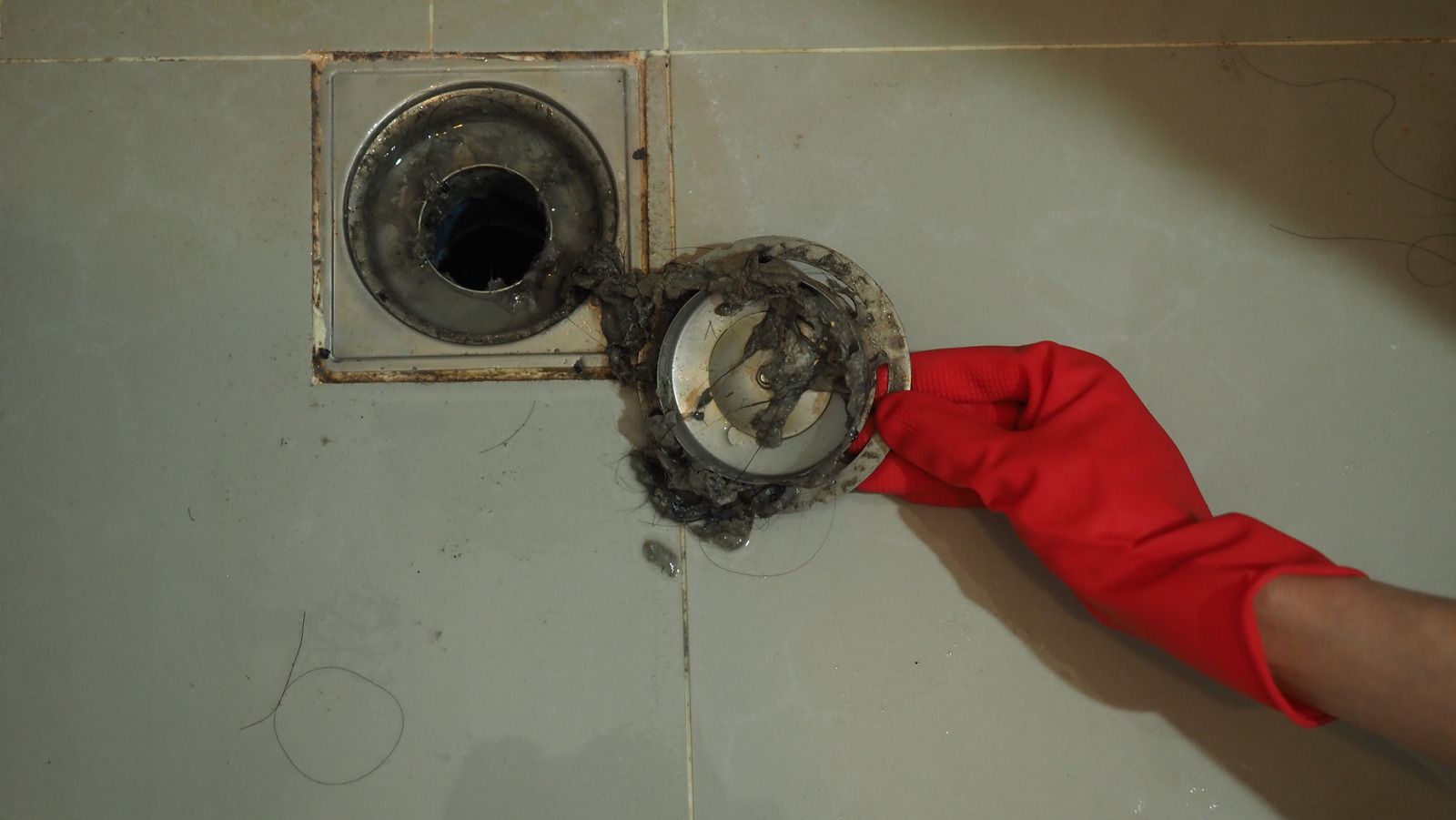
Your drain system is a tree. Each fixture has a trap and a short branch line. Those branches feed into larger horizontal and vertical drains, and all of them dump into the building drain that leaves the house. Hair, soap, and toothpaste build up in a bathroom sink trap. Grease and food solids build up in the kitchen branch. Those are local problems, and they produce local symptoms: one fixture is slow, everything else is fine.
A main-line restriction produces the opposite. Water leaving any fixture has to squeeze past the same obstruction, so it backs up throughout the system. Wastewater looks for the lowest available opening, which is why the first fixtures to overflow are usually the ground-floor toilet, the tub, or a shower pan, not the upstairs sink. If your house is on a slab, that lowest opening is often the guest bathroom shower drain that nobody has used in weeks.
The Signs That Point Down the Line
The symptoms of a main-line blockage are specific enough that you can usually read them without any tools.
Gurgling from one fixture when you use another
Run the bathroom sink and listen to the toilet. If it bubbles, air is being pulled through the trap water because the line below is restricted and cannot vent properly. A toilet gurgling when the shower drains is a strong sign.
The lowest fixtures back up first
Watch which drain overflows. Wastewater takes the path of least resistance, and that path runs downhill. If flushing an upstairs toilet pushes water into a downstairs tub, the blockage sits downstream of both, low in the system rather than nearby.
Water shows up where it does not belong
The washing machine dumps a large volume of water fast. If starting a load makes the floor drain, laundry sink, or nearby tub back up, the line cannot take that volume because its opening has been narrowed.
A smell that comes and goes
A partial blockage traps waste in the line, and the odor works its way back through the fixtures that get used least. It fades and returns rather than staying constant, which is what marks it as a line problem.
Nothing you do at one fixture makes a difference
You work the toilet with a plunger, it clears for one flush, then slows again. You pull the sink trap and it is clean. That is a strong hint you are treating the wrong end of the problem.
TIP: Do a two-minute pattern test before you call anyone. Flush the toilet furthest from the street and listen at the tub or shower nearby. Then run the washing machine and watch the lowest drain in the house. If flushing or draining at one fixture produces gurgling, rising water, or a backup at a different fixture, the problem is in the shared line, not in either fixture. That one observation saves a lot of diagnostic time.
What Is Actually Blocking the Line
A main line rarely closes overnight. It narrows over months or years, and then one ordinary load of laundry is the thing that finally overwhelms it.
Grease and food solids
Warm grease pours down the drain like a liquid and cools into a waxy layer on the pipe wall. Every pass adds a little more, and it grabs coffee grounds, rice, and anything fibrous that comes down behind it.
Wipes and paper products that never break down
Baby wipes and cleaning wipes labeled flushable pass the toilet and then stop moving. They snag on any rough spot in the line and become the net that catches everything else coming through, until the flow chokes off.
Roots
In a desert yard, your sewer line is one of the wettest things underground, and roots find it. They enter through joints as feeder roots, then thicken into a strainer. Older clay or cast iron laterals are the most vulnerable.
Mineral scale from very hard water
Phoenix tap water measures 172 to 302 parts per million total hardness, and water above 180 is classified as very hard. That mineral content passes through your drains with soap, roughening the pipe so it catches debris and builds up repeatedly.
A bellied or offset pipe
Soil under a Valley home moves. Between post-construction settling, irrigation moisture, and monsoon ground movement, a section of line can sag or shift at a joint. A belly holds standing water and solids, becoming the collection point for future blockages.
Something past your property line
Occasionally the restriction sits in the municipal main rather than your lateral. The symptoms look identical from inside the house, which is why a camera inspection matters. It shows exactly
where the line stops and who owns the repair.
What You Can Safely Check Yourself
There is a short list of things worth doing before a plumber ever arrives.
Stop adding water to the system
Every flush and every load of laundry has to go somewhere, and if the line is blocked, it comes back up through the lowest drain in the house. Turning off the water at the main is reasonable if a backup is active.
Find your cleanout
Most Valley homes have a capped pipe outside, often near the foundation or between the house and the street. Knowing where it is speeds up the visit. Sewage standing at the cleanout means the blockage is between there and the street.
Note the pattern and the timing
Which fixture backs up first? Does it happen only with high-volume use, like the washer or a long shower? Gradual decline over months suggests scale, grease, or roots. A sudden and total stoppage suggests an object or a collapsed section.
Ask a neighbor
If two or three houses on the street are having the same trouble at the same time, the restriction may be in the city main rather than in your lateral. Shared timing across homes points away from your own line.
Look at the yard
A patch of unusually green or soft ground over the sewer route, or a spot that stays damp with no irrigation near it, points to a line that is leaking as well as blocking, and needs prompt attention.
How the Problem Gets Found and Cleared
Sorting out a main line takes eyes in the pipe, not guesswork.
A camera inspection
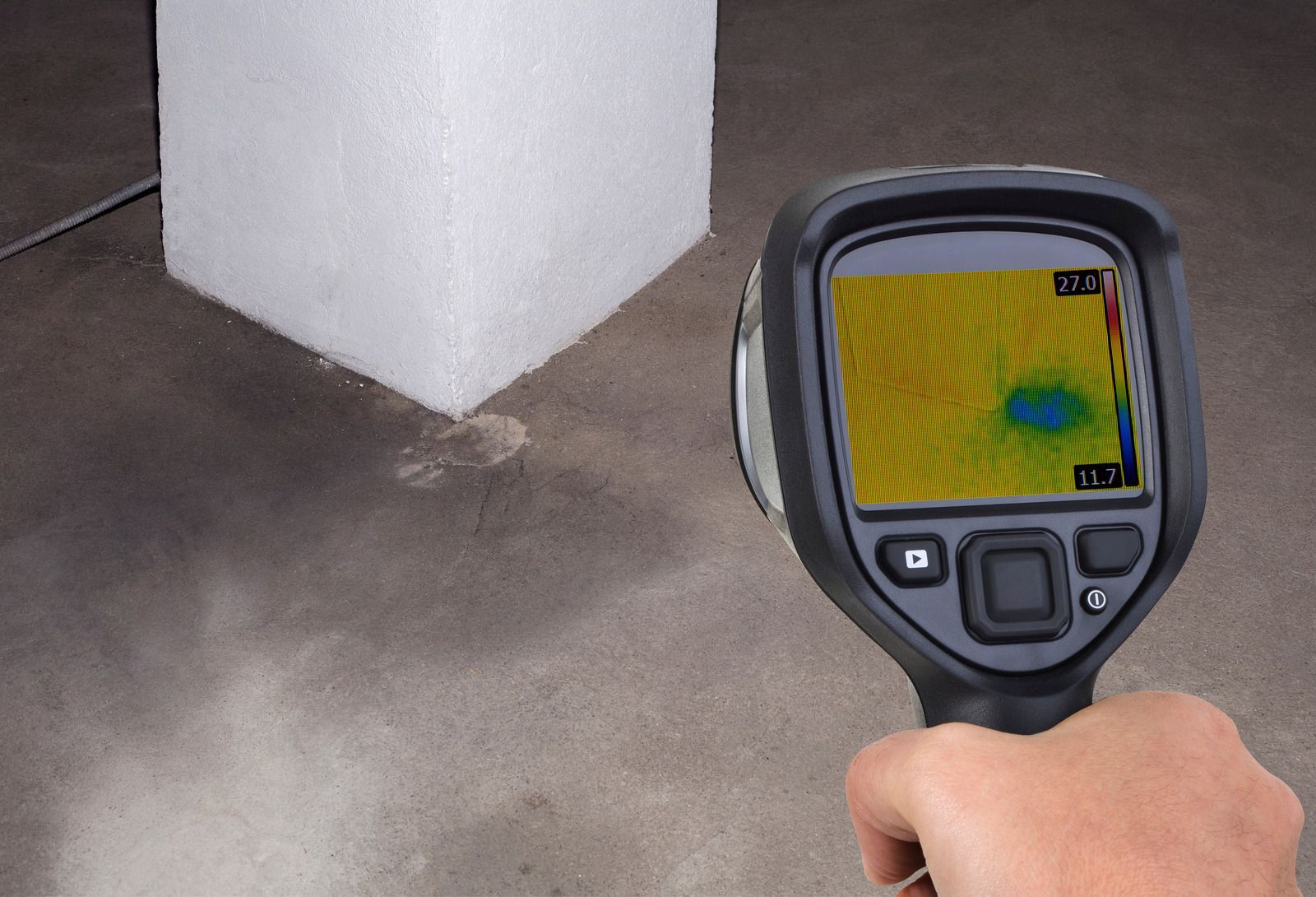
A drain camera goes in through the cleanout and shows what is actually there: a root mass at a joint, a grease layer, a scaled section, a belly holding water, or a cracked pipe. It also shows where, in feet.
Cabling versus jetting
A motorized auger cuts through the blockage and restores flow, the right first move when a line is fully stopped. Hydro jetting uses high-pressure water to scour the pipe wall. For a line that keeps blocking, jetting resets the pipe.
A locate, when repair is on the table
If the camera finds a broken, offset, or bellied section, the location gets marked at the surface so any repair is targeted rather than exploratory. That saves digging blindly and keeps the work focused on the section that actually failed.
The follow-up
A line with root intrusion or a belly will block again on the same schedule unless the underlying defect is addressed. Clearing it buys you working drains today. Knowing why it blocked keeps you from doing this again next year.
Frequently Asked Questions
Is a slow drain in every room always a main-line problem?
Nearly always. A single slow fixture is a local clog. When several unrelated fixtures slow together, the only thing they share is the main line. A blocked vent is the exception, and a camera sorts it out.
Can I clear a main-line clog with a store-bought drain snake?
Usually not. A hardware-store auger is built for a sink trap or toilet, far too short and light to reach a blockage out in the lateral. It cannot cut roots, and any channel it makes closes again.
Do tree roots really get into sewer lines in the desert?
They do, often more aggressively than in wetter climates. Roots grow toward moisture, and a sewer line with a weeping joint is the best water source available. Older clay and cast iron laterals are the most common victims.
Does hard water affect drain lines, not just fixtures?
It does. The same minerals that crust your showerhead and scale your water heater pass through the drain system. Combined with soap and grease, they leave deposits that narrow the pipe, which is why recurring buildup is common.
How do I know whether the blockage is mine or the city's?
Two clues. If neighbors have the same problem simultaneously, suspect the municipal main. If wastewater stands in your outside cleanout, the blockage is downstream of that point, usually still your lateral. A camera inspection settles it exactly.
How often should the main line be looked at?
For a home with mature trees, an older clay or cast iron lateral, or repeat backups, a regular schedule is reasonable, and every few years is common. Newer pipe with no history generally needs it only if symptoms appear.
Getting the Whole House Draining Again
Slow drains everywhere in the house are not a coincidence and they are not six separate problems. They are one problem, sitting in the one pipe that all of your fixtures depend on, and it is narrowing a little more with every use. The pattern of gurgles, backups, and fixtures that misbehave when other fixtures run is the line telling you where to look. Reading it correctly means you stop plunging the toilet and start dealing with what is actually restricting the flow, whether that is roots at a joint, a grease and scale layer built up over years, or a section of pipe that has sagged out of grade. Get eyes in the pipe, get it cleaned properly, and find out why it blocked so it does not happen again next season.
Schedule a main-line diagnosis and get every drain in the house working again. A
camera inspection
shows whether roots, grease, hard-water scale, or a bellied section is choking your line, and jetting or cabling clears it properly instead of buying you another two weeks. Platinum Plumbers
has spent 23+ years on Phoenix, Arizona drain and sewer lines as a licensed contractor, serving homes and businesses with reliable workmanship and honest pricing. Reach out to schedule drain and sewer service, and get the whole house draining the way it should.