Quick Answer: A water bill that jumps well above your normal usage, with no new houseguests or extra laundry to explain it, usually means water is escaping somewhere in the system rather than a billing error. The EPA's WaterSense program estimates the average household leak wastes more than 9,300 gallons a year, and nearly one in ten homes loses 50 gallons a day or more without anyone noticing. The fastest way to confirm one is the two-hour meter test: read your meter, avoid using any water in the house for two hours, then read it again — if the number moved, something is leaking. From there, a handful of quick checks on toilets, faucets, and outdoor lines usually points you toward the source. If the meter keeps creeping with everything off and nothing turns up in an obvious spot, the leak is hidden in a wall, a slab, or a buried line, and that's when it's worth bringing in a plumber with real detection equipment.
You open the bill expecting the usual number, and instead there's a figure that doesn't line up with anything you did last month. Nobody added a hot tub. Nobody's running extra laundry loads. The sprinkler schedule hasn't changed. And yet the total at the bottom of the page is thirty, sixty, sometimes well over a hundred dollars higher than what you're used to seeing.
Your first instinct might be to assume the utility company made an error, and it's worth ruling that out. But more often, when a bill jumps for no obvious reason, the house itself is the explanation. Water is escaping somewhere between the meter and your fixtures, and it's likely been doing that quietly for weeks before the bill ever showed up to tell you about it.
Finding that leak doesn't require tearing into drywall or guessing your way through the house. It requires a process, and most of that process you can run yourself in an afternoon.
Why the Water Bill Notices Leaks Before You Do
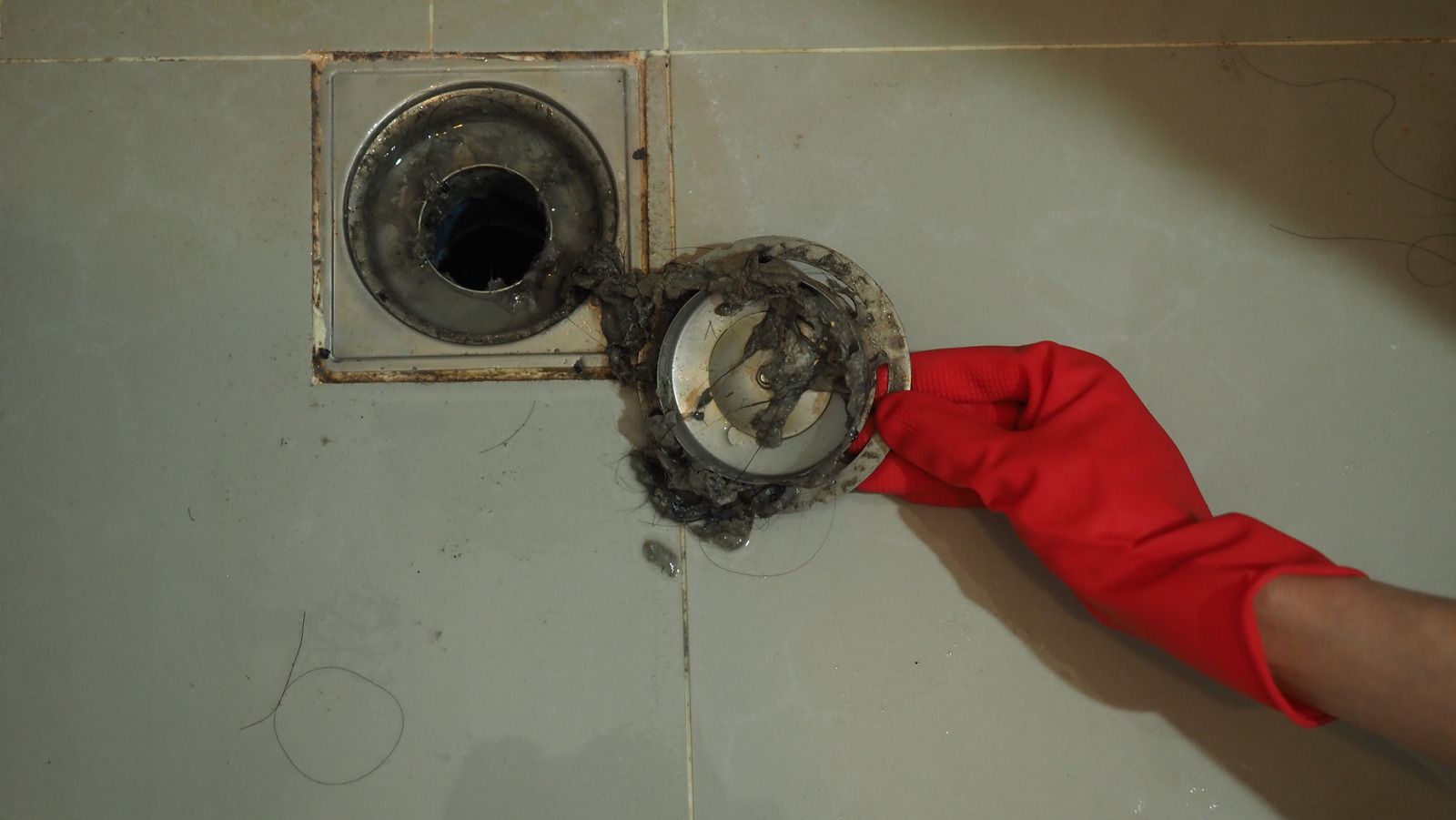
Most leaks never announce themselves with a puddle on the floor. A slow drip inside a wall, a toilet that's silently refilling every few minutes, an irrigation line seeping into the soil a few inches underground — none of that is visible from a normal walk through the house. What is visible is the meter, because the meter measures every gallon that leaves the street line and enters your property, whether it comes out of a faucet or disappears into a crack nobody's found yet.
That's what makes a bill spike such a reliable early warning. Your eyes can miss a leak for months. Your water bill can't, because every gallon still gets counted and charged, whether you used it on purpose or not.
Hard water in the Valley makes this a little trickier to read at a glance, since scale buildup inside older pipes can also change how a home uses water over time, and appliances working harder against mineral deposits sometimes pull slightly more water to do the same job. That's a slower, smaller effect than an actual leak, though. A sudden jump that doesn't track with anything you changed is a different signal, and it's the one worth investigating first.
Start With the Fixtures Everyone Forgets About
Once the meter test confirms a leak, the next step is working through the house systematically, starting with the fixtures most likely to be the culprit.
Toilets Are The Biggest Source Of Hidden Water Loss
A worn flapper or misadjusted fill valve can silently waste water. Add food coloring to the tank, wait ten minutes, and check the bowl. If colored water appears, replace the flapper soon.
Faucets Add Up Faster Than Expected
A faucet dripping once per second can waste over 3,000 gallons annually. Check every faucet, including rarely used laundry or wet bar taps. Even a slow drip contributes noticeably to rising water bills.
Showerheads Can Leak Without Much Notice
A showerhead dripping ten times per minute can waste more than 500 gallons annually. Check the connection where it meets the pipe stem. Tightening a loose fitting may solve the leak without replacement.
TIP: Run the toilet dye test on every toilet in the house, not just the one you suspect. It's common for a guest bathroom or a toilet in a rarely used part of the house to be the actual source, simply because nobody's around to notice the tank refilling more often than it should.
Check Outside Before You Blame the Inside
Indoor fixtures get the attention, but a meaningful share of hidden leaks in Valley homes start outside, where they're even easier to miss.
Hose Bibs And Irrigation Lines Are Common Offenders
An irrigation leak just 1/32 inch wide can waste more than 6,300 gallons monthly. Check your yard for unusually green grass or persistently damp soil. Inspect hose bib connections and ensure timed irrigation zones shut completely after running.
Pools And Water Features Can Hide Leaks
Some pool evaporation is normal, especially during summer, but excessive water loss deserves investigation. Use a bucket test to distinguish evaporation from leakage. Separating pool water loss from plumbing issues can help identify the source.
Backflow Devices And Irrigation Valve Boxes Need Inspection
Backflow devices and irrigation valve boxes sit at ground level, making leaks easy to overlook. Cracked fittings inside can release water steadily into surrounding soil without creating visible puddles, quietly increasing usage and driving higher monthly bills.
When the Leak Isn't Anywhere You Can See
Sometimes the meter confirms a leak, every toilet passes the dye test, every faucet and showerhead is dry, and the yard looks normal. That's frustrating, but it usually means the leak is somewhere you genuinely can't see without help — inside a wall, under a foundation slab, or in a buried supply line between the meter and the house.
A few signs point toward this category specifically. The sound of running water somewhere in the house when every fixture is confirmed off, often most noticeable at night when everything else is quiet. A warm spot on the floor in a house with a slab foundation, which usually points to a hot water line leaking underneath the concrete. A patch of flooring that feels softer than the surrounding area, or baseboards that seem to be pulling away from the wall for no clear reason.
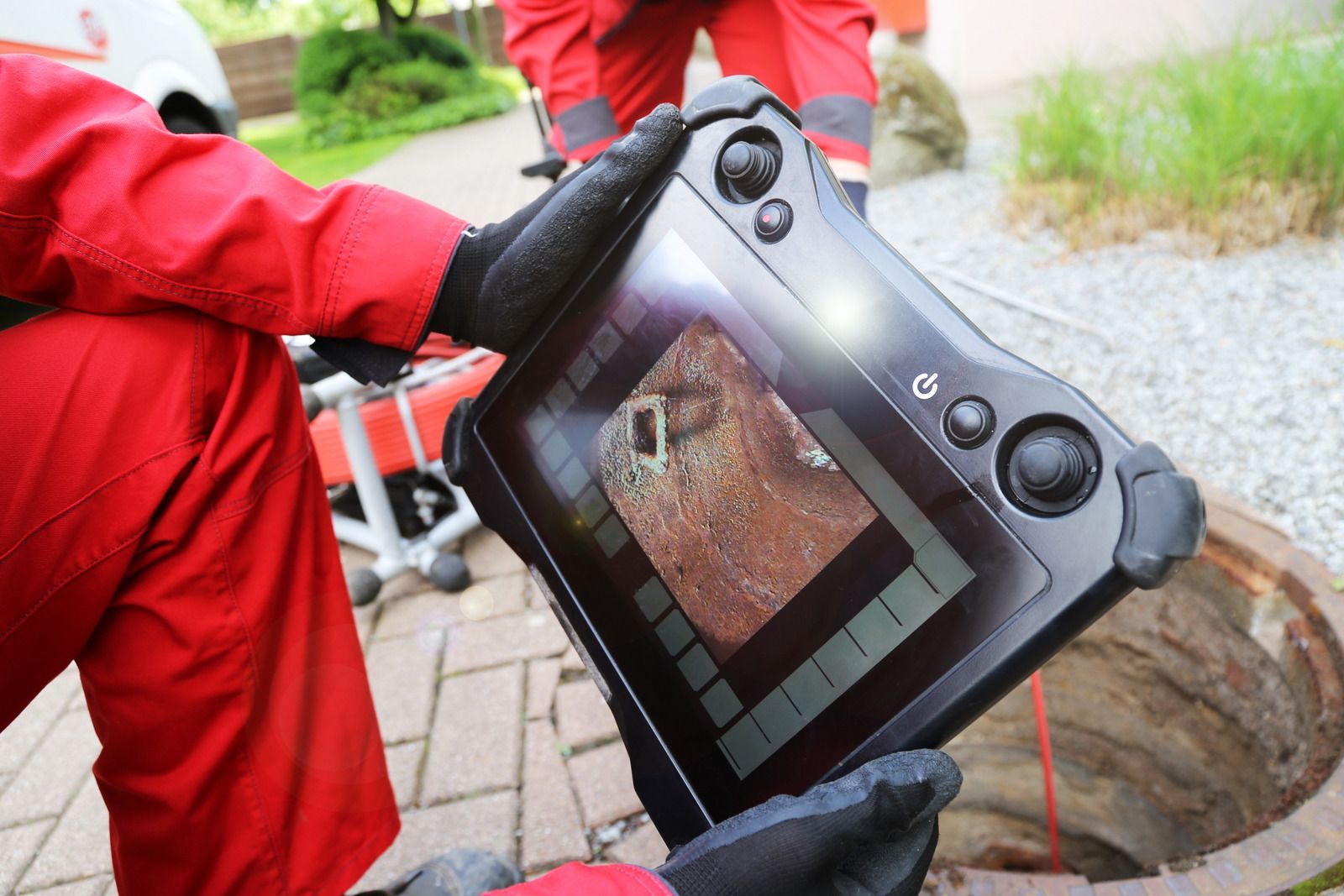
Slab leaks specifically are their own topic with their own set of warning signs worth understanding in more depth, since they behave differently from a fixture leak and often call for different equipment to find and fix. What matters here is recognizing when you've moved past the checks you can run yourself and into territory where a professional with acoustic listening equipment or thermal imaging can find the exact location without opening up more of your home than necessary.
What Counts as Normal Use, and What Doesn't
It helps to know your own baseline before you can spot a real deviation from it. Pull your last several water bills if your utility keeps them online — most Valley providers do — and look at usage in gallons rather than dollars, since that number isn't affected by any rate changes.
A summer bill running noticeably higher than a winter one is completely normal here, since outdoor watering and pool top-offs both climb with the heat. What's not normal is a jump that shows up with no seasonal explanation, or a winter bill that's unusually high when there's no outdoor watering happening at all to account for it. If a family of four is regularly clearing 12,000 gallons in a month with minimal outdoor use, that's a number worth double-checking against the meter test rather than assuming it's just how the house runs.
Snowbirds and part-time residents have their own version of this problem. A house that's been closed up for months can develop a leak that runs the entire time nobody's there to notice, and the first sign of it is often a bill that arrives well after the fact, once someone's actually home to open the mail.
Warning: A leak that's been running inside a wall or under a slab for weeks or months can lead to mold growth, and mold that's developed in an enclosed, out-of-sight space isn't something to handle casually. If you find a musty smell, warped flooring, or visible mold alongside a confirmed leak, don't just patch the visible damage and move on — the moisture source needs to be found and stopped first, or the problem returns. Avoid cutting into walls or digging near a suspected buried line on your own, since you risk hitting electrical, gas, or other utility lines you can't see from the surface.
When to Keep Investigating and When to Call a Plumber
Most of the checks above take an afternoon and cost nothing but time. If one of them turns up an obvious answer — a flapper that's clearly worn, a hose bib that's visibly dripping, a sprinkler valve stuck partly open — you can often handle the fix yourself or with a quick trip to the hardware store.
Call it in when the meter test confirms a leak but none of the visible checks find it, when you hear running water with everything off and can't trace the sound, when a warm or damp spot shows up on the floor, or when the bill keeps climbing even after you've fixed something you thought was the whole problem. At that point, continuing to guess usually costs more in time and water than having someone bring in equipment built to find exactly what you can't.
Frequently Asked Questions
My water bill went up but I don't see any water anywhere in the house. Could it still be a leak?
Yes, most leaks hide by nature. Run the two-hour meter test first, then check toilets, faucets, and outdoor lines. No visible source usually means it's behind a wall, slab, or buried line.
How much water does a running toilet actually waste?
It depends on the flapper and fill valve, but a running toilet can waste hundreds of gallons daily. Even a silent leak through a bad flapper adds up fast. The dye test confirms it quickly.
Could my sprinkler or irrigation system cause a bill spike I haven't noticed outside?
Yes, especially after a monsoon shifts soil around buried lines. A leak can run for weeks with only a greener patch of grass to show for it. Check hose bibs and the irrigation timer.
The meter confirmed a leak, but I've checked everywhere and found nothing. What now?
It's likely hidden in a wall, under the foundation, or in a buried supply line. Listen for running water at night, and check for a warm floor spot on slab foundations.
Is a slab leak the reason my water bill is high?
Possibly. A warm floor spot or running water sound with everything off both point that way. Slab leaks need different detection methods, so have a plumber confirm before assuming.
How long can a hidden leak run before it turns into a bigger problem?
There's no fixed timeline, but a leak running a full billing cycle or longer often means more than a higher bill. Moisture sitting under a slab invites mold. Act on the bill spike early.
Reading the Signal Before It Becomes a Problem
A water bill that doesn't match your habits is information, not an inconvenience to shrug off until next month. It's the plumbing system telling you, in the most literal terms possible, that water is going somewhere it shouldn't. Reading that signal correctly and working through it in order, starting with the meter test, then the fixtures, then the yard, and finally the possibility of something hidden, turns a confusing bill into a solvable problem instead of a mystery you keep paying for.
Most of the time, the answer is something ordinary, a flapper, a hose bib, a sprinkler valve. Every so often, it's something that needs a trained eye and the right equipment to find. Platinum Plumbers
has spent 23+ years tracking down hidden leaks for homes and businesses across Phoenix, AZ, bringing pressure testing and listening equipment to pinpoint a source before any cutting or digging starts. Either way, the bill already told you something was wrong. The rest is just tracking down where.