Quick Answer: A gurgle is air being pulled through a drain's water seal; a sewer smell means that seal has already failed. The two show up together when a plumbing vent is blocked or restricted, and separately when a single trap has simply dried out from disuse. A dry trap in a guest bathroom or laundry room is the most common cause and the easiest to fix — running water through it for a minute usually solves it. A blocked roof vent, a cracked vent pipe, or a failing toilet wax ring will keep producing the smell no matter how much water you run, and those need a plumber to find and correct.
You walk past the guest bathroom on your way to the garage and catch it — that faint rotten-egg edge in the air that wasn't there last week. Or maybe it's not a smell at all. You flush the upstairs toilet and the tub down the hall answers back with a gurgle, like the house is talking to itself. Neither one is dangerous by itself, but both are your plumbing telling you that a seal somewhere isn't doing its job anymore.
Every drain in your home relies on a small amount of standing water to keep sewer gas where it belongs — in the pipe, not in your living room. When that water disappears, or when air pressure in the system gets disturbed enough to pull it out, you get one of two symptoms: a gurgle, a smell, or both. Figuring out which one you're dealing with, and where it's coming from, is most of the diagnosis.
Two Signals, One Investigation
A gurgle and a sewer smell come from the same underlying mechanism, but they aren't interchangeable, and reading them correctly points you toward the fix.
Gurgling Means Air Is Moving Through Water That's Trying To Hold Its Ground
Every plumbing trap holds water that blocks sewer gas from entering your home. When air is pulled through that water because of pressure changes, it bubbles, creating the familiar gurgling sound.
Smell Without Gurgling Usually Means The Seal Is Already Gone
When a trap dries completely, there is no water left to bubble or block sewer gas. The odor can then pass quietly through the drain, making the smell noticeable without accompanying sounds.
Both Together Point At The Vent System
When gurgling and sewer odor occur together, particularly at multiple fixtures, the plumbing vent system may be restricted. Poor airflow creates pressure changes that disturb several trap seals and allow sewer gas through.
What the Gurgle Is Actually Telling You
Your drain system needs air as much as it needs a downward slope. Every time water rushes down a pipe, it needs somewhere for the displaced air to go, or it pulls air — and sometimes water — from the nearest trap instead. Plumbing vents, the pipes that run up through your walls and out through the roof, exist to supply that air from outside instead of from inside your fixtures.
When a vent is partly blocked, restricted, or simply undersized for the fixtures it serves, water draining through the system creates a vacuum behind it. That vacuum reaches for the path of least resistance, which is often the water sitting in the nearest trap. The result is a fixture that gurgles, bubbles, or occasionally loses part of its trap seal on the spot, even though nothing is actually clogged in that fixture's own line.
This is why the toilet gurgling when the washing machine drains, or a tub bubbling when a neighboring toilet flushes, doesn't necessarily mean either fixture has a problem of its own. It means the shared vent serving both of them is under more demand than it can currently handle.
Where the Smell Comes From When the Water Runs Clear
A sewer smell with no gurgling and no slow drainage is almost always a sign that a trap's water seal is simply gone, not that anything is blocked.
A Dry Trap In A Fixture You Rarely Use
Guest bathrooms, laundry drains, and utility sinks can develop sewer odors when their traps sit unused. Water evaporates naturally, allowing sewer gas through, especially in hot, dry conditions.
A Floor Drain That Never Gets Used
Garage, laundry, and mechanical-room floor drains often sit unused for long periods. Without regular water flow, their traps can dry quickly, removing the barrier that blocks sewer gas.
A Failing Wax Ring Under A Toilet
A damaged or poorly seated toilet wax ring can allow sewer gas to escape around the toilet base. Odor near the floor, especially with slight toilet movement, can indicate failure.
A Cracked Or Disconnected Vent Pipe Inside A Wall Or Attic
A cracked, loose, or disconnected vent pipe can release sewer gas into wall cavities or attics instead of outdoors. The odor may eventually enter living spaces without coming directly from drains.
TIP: If you can smell it but can't tell which fixture it's coming from, check every drain that doesn't get daily use first — guest bathroom sinks and tubs, laundry room floor drains, a wet bar, a basement or casita bathroom. Run water in each one for about a minute. If the smell disappears afterward, you found a dry trap and you just fixed it. If it doesn't, the problem is upstream of that fixture.
When Gurgle and Smell Show Up Together
This combination deserves more attention than either symptom alone, because it usually means more than one fixture is losing its seal at the same time, and that points at something shared between them rather than something local to one drain.
A Blocked Roof Vent
Vent stacks open through the roof, making them vulnerable to debris, bird nests, and damaged caps. These obstructions restrict airflow and can affect multiple fixtures. In Phoenix, dust storms and monsoon debris can increase the likelihood of seasonal vent blockages.
A Partial Blockage Lower In The Drain System
A partial drain blockage can create symptoms similar to a vent problem by disrupting normal airflow. If gurgling occurs alongside slower drainage, a restriction may be developing in a shared branch line rather than the vent itself.
A Vent That's Simply Too Small For A Remodel
Home additions, converted garages, and newly added bathrooms can sometimes share existing vents that weren't designed for additional fixtures. Symptoms often become noticeable during periods of heavy household use, when several fixtures drain simultaneously.
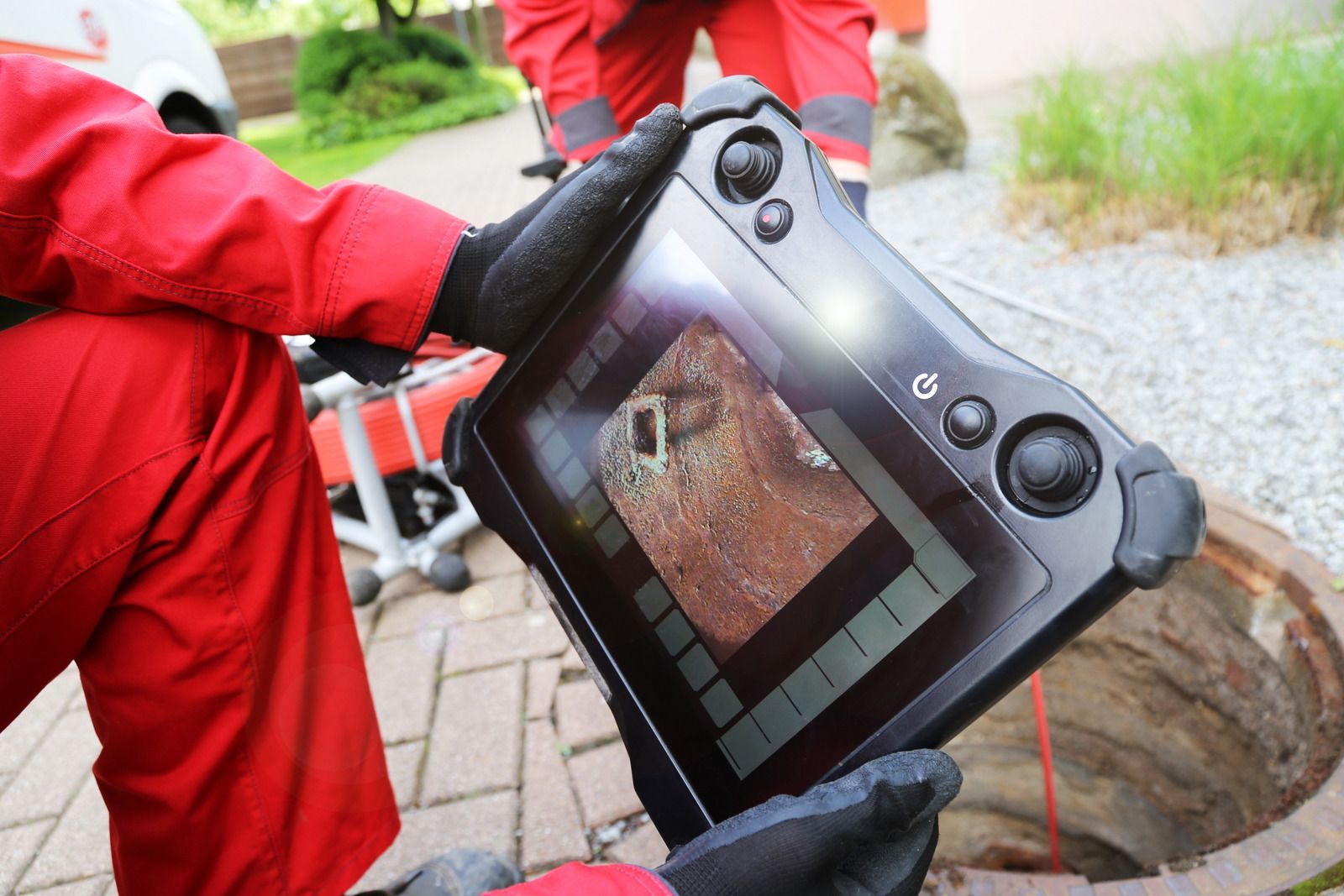
Sorting out which of these you're looking at almost always requires a look at the vent system itself, and sometimes a camera run through the line, because the symptoms alone don't distinguish a vent problem from a developing drain blockage.
Checks You Can Safely Run Before You Call a Plumber
A few minutes of observation will usually tell you if you're dealing with a simple dry trap or something that needs a professional look.
Run Water Through Every Low-Use Drain In The House
Run water through guest bathroom sinks, tubs, utility sinks, and other rarely used fixtures. If the odor disappears, a dry trap was likely responsible.
Pour A Cup Of Water Down Floor Drains Specifically
Pour water into garage, laundry, basement, and mechanical-room floor drains. These traps can dry quickly because they rarely receive water, allowing sewer odors inside.
Notice Whether The Smell Tracks With Weather Or Wind Direction
Notice whether odors worsen during windy weather or after dust storms. Restricted roof vents can react to pressure changes, pushing sewer gases back through affected plumbing fixtures.
Check For Gurgling At More Than One Fixture
Flush a toilet while listening to nearby sinks or tubs. If several fixtures gurgle or bubble, the shared vent system may be causing the problem.
Look At The Base Of Toilets For Odor Or Slight Movement
Check around each toilet base for sewer odors or slight movement. A loose toilet or persistent smell near the floor can indicate a failing wax ring.
None of this requires opening a wall or taking anything apart. And if a dry trap accounts for the smell, refilling it really is the whole fix.
TIP: Sewer gas contains hydrogen sulfide, and even the low concentrations that produce a faint rotten-egg smell can cause headaches, eye irritation, or nausea with prolonged exposure, according to occupational safety guidance on the gas. A brief whiff near a dry floor drain isn't a hazard, but a smell that's strong, constant, or filling a room is a different situation. Don't go onto the roof to inspect a vent yourself, and don't spend extended time in a small room — a bathroom, laundry closet, or basement — where the odor is persistent and strong. Ventilate the space, and if the smell doesn't clear or keeps coming back, get it looked at rather than living with it.
Why This Shows Up More in Valley Homes
A few things about living in the desert make dry traps and vent trouble more common here than in other parts of the country.
Heat Accelerates Evaporation
Phoenix heat can cause plumbing traps to lose water faster than in milder climates. Hot garages and unoccupied rooms may experience evaporation particularly quickly.
Seasonal Homes Sit Empty For Months
Seasonal homeowners may leave fixtures unused for months, allowing traps to dry completely. When they return, sewer odors can appear throughout previously closed rooms.
Monsoon Debris And Dust Find Their Way Into Roof Vents
Wind-driven dust, leaves, and bird nesting materials can enter roof vents. During Phoenix monsoon season, this debris may restrict airflow and contribute to plumbing odors.
Hard Water Narrows More Than Fixtures
Hard water can leave mineral deposits inside drain lines, gradually reducing their effective diameter. These restrictions may make existing drainage and venting problems more noticeable.
When It Points to Something Bigger
Most gurgle-and-smell combinations trace back to a dry trap or a blocked vent, and both are simple to correct once identified. A smaller number point at something that needs more than a bucket of water or a look on the roof.
Watch for a few things. The smell persisting after every low-use trap has been refilled. Gurgling that's widespread across the house rather than limited to one or two fixtures. Drains that are also running slower than normal. Any of those points at a restriction in a shared branch line or, less often, a crack in the vent pipe inside a wall, and both call for a camera inspection rather than continued guessing from the outside. A vent stack that's cracked, disconnected, or was never installed correctly on an older remodel won't resolve on its own — it needs to be found and corrected at the source.
But gurgling and sewer smell are both early warnings, not emergencies. They show up well before a drain actually stops working, and that gives you a real chance to fix the underlying cause instead of reacting to a backup after the fact.
Frequently Asked Questions
Why Does My Bathroom Smell Like Sewer Gas Even Though The Drain Works Fine?
A drain can work normally while its trap has lost its water seal. This commonly happens in rarely used bathrooms. Run water through the fixture for about one minute to restore the seal.
Is A Gurgling Toilet Dangerous?
A gurgling toilet usually isn't dangerous by itself, but it signals unusual air movement through the plumbing system. It can indicate restricted venting or a developing blockage, so persistent gurgling deserves attention.
How Long Does It Take For A Trap To Dry Out?
A trap can dry out within several weeks, particularly in hot, dry conditions. Unused floor drains often lose their water seals faster because they receive little or no regular water flow.
Can A Bird's Nest Or Debris On The Roof Cause A Smell?
Yes. Debris or nesting material can restrict a roof vent, disrupting airflow throughout connected plumbing. This may cause sewer odors or gurgling, particularly after windy weather, dust storms, or monsoon conditions.
Should I Use A Chemical Drain Treatment To Fix A Sewer Smell?
No. Chemical drain cleaners cannot restore a dry trap or correct a vent restriction. Start by running water through unused fixtures. If the odor continues, professional inspection can identify the actual source.
Why Do Multiple Bathrooms Smell At Once After Summer Away?
When a home sits unused, multiple traps can evaporate simultaneously. Running water through every sink, tub, toilet, and floor drain restores their seals. If odors remain afterward, another plumbing issue may exist.
A Clear Ending To Persistent Drain Problems
Gurgling drains and sewer odors are often early signs that something in the plumbing system needs attention. A dry trap may be all it takes to create a noticeable smell, while recurring gurgling can point to restricted venting or a developing blockage. Paying attention to when the symptoms appear, which fixtures are affected, and whether refilling unused traps makes a difference can help narrow down the cause before the problem becomes more disruptive.
For homeowners in Phoenix, AZ, the combination of extreme heat, unused drains, and seasonal debris can make these issues especially noticeable. PPlatinum Plumbers
brings 23+ years of experience diagnosing and resolving drain and vent problems, with a focus on identifying the actual source rather than simply masking the odor. Whether the cause is a dried-out trap, damaged seal, or restricted vent, understanding the warning signs makes it easier to protect the comfort and reliability of your plumbing system.